Calculator
Turn on JavaScript to use the calculator, or use the baby and throw amounts in the flannel rag quilt pattern.
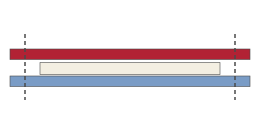
How the math works
| What | Formula | 8 in squares, ½ in seams, 5 × 6 |
|---|---|---|
| Finished block | cut − 2 × seam | 8 − 1 = 7 in |
| Finished quilt | blocks × finished block + 2 × seam (the ragged outer edge) | 5 × 7 + 1 = 36 in by 6 × 7 + 1 = 43 in |
| Squares per layer | across × down | 30 |
| Squares per strip | 40 ÷ cut, rounded down | 5 |
| Strips | squares ÷ squares per strip, rounded up | 6 |
| Yardage | strips × cut × 1.1 + 2 in, rounded up to ⅛ yd | 6 × 8 × 1.1 + 2 = 54.8 in = 1⅝ yd |
| Batting or middle square | finished block − 1 in | 6 in |
The extra 10% is for shrinkage: flannel shrinks more than quilting cotton, and you should prewash it before cutting so the squares don't shrink unevenly later. The 2 inches straightens the cut edge. With those allowances the calculator gives the same amounts as our flannel rag quilt pattern: 1⅝ yards each for the fronts and backs of the 36 × 43 baby quilt, and 3¼ yards each for the 50 × 64 throw (7 × 9 squares).
The rag edge counts in the finished size. Each seam allowance stays on the front as fringe, including the half inch all around the outside, so the quilt measures one seam allowance more on every side than the blocks alone.
Seam allowance
A rag quilt's seam allowance is the fringe, so it's much wider than the usual quarter inch. Half an inch is the most common choice and what our pattern uses. Five-eighths gives a fluffier rag and costs a little size: each 8-inch square finishes at 6¾ instead of 7. Three-quarters is bushier again, and suits big blocks where the lost size matters less. A narrow allowance leaves little to fray, so the seams look thin.
Keep the seam allowance the same on every seam, including the line around the outer edge, or the rag will look uneven.
Layers
- Batting in the middle (the pattern's choice): warm and puffy, with an X of stitching through each block to hold it. Cotton batting is usual.
- A third flannel square instead of batting: softer and heavier, and it washes well. The calculator adds the middle squares to the yardage.
- Two layers only, for a lighter quilt for summer or for a baby. It's also the quickest to make.
Any layer that sits inside the block is cut 1 inch smaller than the finished block, so there's half an inch of clear space inside each seam line. The calculator always works it out that way.
Using a packaged batt for the squares? The calculator reports the smallest standard size that yields enough. Thirty 6-inch squares come out of a crib batt (45 × 60 inches gives 7 × 10 = 70), and so do the throw's 63.
Common mistakes
| Mistake | Result | Fix |
|---|---|---|
| Cutting before prewashing | Squares shrink by different amounts; rows don't line up | Prewash and dry every flannel first, then cut |
| Batting as big as the squares | Seams are stiff and won't fray | Cut batting 1 in smaller than the finished block |
| Sewing right sides together | The fringe ends up on the back | Put blocks back to back, so allowances face the front |
| Clipping through the stitching | A hole that keeps growing in the wash | Snip to about ⅛ in from the seam; spring-loaded snips help |
| Quilting cotton for the fronts | Thin, flat rag | Use flannel, homespun or denim on the side that frays |
Related pages
The flannel rag quilt pattern has the sewing steps, with clipping and washing. Rag quilts are a good use for old flannel shirts in a memory quilt. If you plan to donate one, check the rules first: Quilts for Kids doesn't accept rag quilts, as the charity quilt size guide notes. After the first wash, how to wash a quilt covers lint and drying.
You might also like
 Prairie points calculatorCut square size for any point height, how many points fill each edge, and the fabric to cut them from.
 Applique templatesPrintable stars, hearts, leaves, circles, flowers and a bird at any size, with turn-under allowance or reversed for fusible web.
 Quilt block resizerThe full cutting list for seven classic blocks at any finished size.
 How many squares from a fat quarter? Fabric yield calculatorHow many pieces you can cut from a fat quarter, precut or yard, and how many to buy.